Top 5 Cybersecurity Threats to Watch Out For in 2026
As technologies advance, so do the tactics of cybercriminals. Here are the top 5 cyber threats organizations must defend against in 2026.
Marcus Vance
Cyber Security Specialist & Mentor
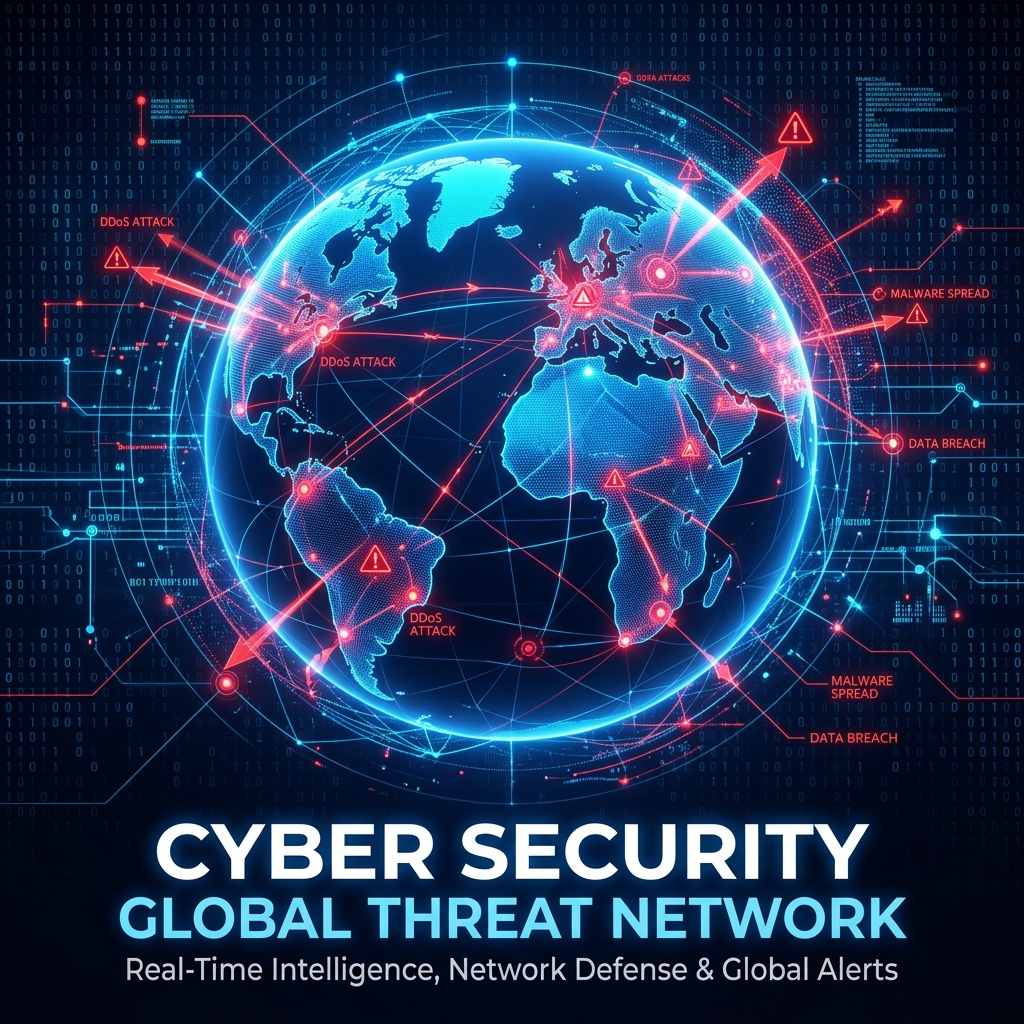
The cybersecurity landscape is shifting at an unprecedented pace. As we navigate through 2026, attackers are employing sophisticated techniques that merge artificial intelligence, automated scanning, and firmware manipulation. In this article, we cover the top five cybersecurity threats that every IT and security team must prepare to defend against.
1. AI-Driven Polymorphic Malware
Antivirus systems rely heavily on signatures or behavioral detection. However, attackers are now using AI to modify malware code in real time as it propagates across a network. This polymorphic code retains its malicious payload but changes its signature and structure, making it practically invisible to traditional security controls.
To defend against this, organizations must shift toward AI-powered security analytics (SIEM/XDR) that focus on process behavior and telemetry anomalies rather than static file signatures.
2. Firmware and UEFI Rootkits
Rootkits that target the Unified Extensible Firmware Interface (UEFI) are becoming increasingly common. Because UEFI software is stored on a flash memory chip on the motherboard, it executes before the operating system even boots. A malware payload embedded at this level can bypass Secure Boot, bypass operating system kernel security, and survive complete hard drive replacements.
Detecting UEFI implants requires specialized hardware root-of-trust verification and regular firmware auditing.
3. Identity and API Exploitation
With cloud-native architectures dominating enterprise environments, APIs are the glue holding services together. Cybercriminals have shifted their focus from compromising end-user machines to targeting unsecured API endpoints. Improper authorization, missing rate-limiting, and leaked tokens allow attackers to extract massive volumes of databases directly from the cloud.
Securing APIs requires continuous API discovery, strict authentication checks, and logging all outbound API requests.
4. Quantum-Resistant Decryption Challenges
While full quantum computing is still emerging, threat actors are practicing “Harvest Now, Decrypt Later.” They intercept and store encrypted enterprise communication today, with the intention of decrypting it once quantum computers are commercially viable.
Organizations must begin upgrading their critical architectures to support Quantum-Resistant Cryptography (also known as Post-Quantum Cryptography) standards.
5. Triple-Extortion Ransomware
Ransomware is no longer just about encrypting files. In 2026, threat actors employ triple-extortion strategies:
- Encryption: Rendering corporate networks unusable.
- Data Exfiltration: Threatening to release sensitive intellectual property and employee records.
- DDoS & Client Harassment: Launching Denial of Service attacks on the victim’s servers or emailing their clients directly to demand payment.
Defending against ransomware requires secure off-site, read-only backups, strong network segmentation, and robust incident response planning.